Stratamed – Advanced film forming wound dressing

Stratamed is indicated for the most common types of medical and cosmetic procedures:

After medical procedures, the main focus for clinicians is to achieve rapid epithelialization of the skin. Achieving fast wound healing is not only a key to preventing or minimizing abnormal scar formation, but also to preventing infections.

Acute and superficial wounds:

Most common acute wounds include injuries such as cuts and lacerations, abrasions, burns (1st and 2nd degree), bites and surgical incisions.

When the skin barrier is damaged, the wound becomes vulnerable to infection. Moisture, warmth, and nutrients at the wound site create ideal conditions for microbial growth. As a result, infections can occur in ~5.6% to 26% of all wounds.8

Chronic Wounds:

Most common chronic wounds include pressure ulcers, diabetic food ulcers (DFUs), and arterial and venous ulcers.

Chronic wounds, such as diabetic foot ulcers and venous leg ulcers, are estimated to cost healthcare systems billions annually due to prolonged care and hospitalizations.

The elderly and individuals with multiple chronic medical conditions are at the highest risk for chronic wounds. Those taking multiple over-the-counter or prescription medications are also at increased risk, as the side effects of these drugs can impact sensory perception and circulation.

Cosmetic Surgeries:

Surgeons perform complex procedures that demand precision and expertise. To ensure optimal aesthetic outcomes, proper post-operative care is essential, with fast wound healing crucial to preventing abnormal scarring.

Surgical wounds are intentionally created by a surgeon. Proper care is vital to prevent infection and support effective healing.18

Skin resurfacing:

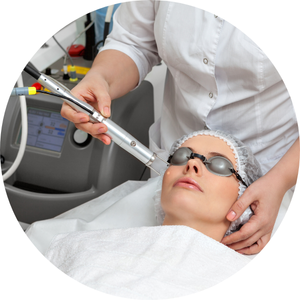
Full-field ablative laser treatments, such as CO₂ and Erbium lasers, are commonly used for skin resurfacing.

Patients experience redness, peeling, and swelling for 7–14 days.10

Post-inflammatory hyperpigmentation (PIH) occurs in approximately 37% of patients following laser resurfacing procedures.11

Risk factors in Wound Healing :

Infection is one of the main reasons wounds fail to heal properly. While the goal of antibiotic use is to treat or prevent infection, there is no evidence to support the use of antibiotics for uninfected wounds.13

Antimicrobial resistance is rapidly increasing worldwide due to the overuse of antibiotics, much of which is inappropriate, leading to significant morbidity and mortality.3

Side effects of topical antibiotics can include allergic contact dermatitis, inflammatory chondritis, anaphylaxis, and Stevens–Johnson syndrome.3

Stratamed is bacteriostatic; Protects the wounds from microbial and bacterial invasion and does not promote bacterial growth.

A wound is a type of injury where the skin is damaged (deeply or superficially). Immediately after the skin is injured, it responds with the initiation of a wound healing process.

Skin healing time differs and depends on several factors, including the type of injury, age, and general health condition. It is important to start with adequate wound care as soon as possible to achieve the best possible outcome, reduce the risk of infection, and shorten the recovery time.4

Did you know?

Delayed epithelialization beyond 10 to 14 days dramatically increases the incidence of hypertrophic scarring.5

The appearance and side effects of scars can be improved significantly if prevention starts immediately after suturing or once a wound has occurred.6

There are some risk factors that the physician cannot control such as patient’s wound care compliance, infection risk and other wound healing complications.7

Stratamed® - A breakthrough in wound healing

Stratamed is an advanced wound dressing for the use immediately following medical and aesthetic procedures, on acute or chronic wounds and compromised skin surfaces.

Stratamed is clinically proven to heal wounds 2 times faster14 compared to standard treatment* in burns, and reduce downtime.2

Stratamed allows the prevention of abnormal scarring to begin immediately after suturing or once a wound has occurred.

Stratamed provides symptomatic relief from itching, burning sensation and discomfort, reduces redness and discolouration associated with damaged skin.

Stratamed is a viable alternative to topical antibiotics in the prevention of infections without the risk for contact dermatitis.3

One tube of Stratamed replaces the need for multiple wound care products such as traditional dressings, hydrogels for moist wound healing and topical antibiotics used for the prevention of infections.

Stratamed is a Medical Device.

*Standard treatment: silver dressings, collagenases, alginates