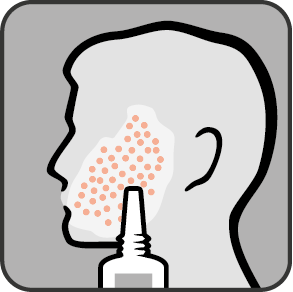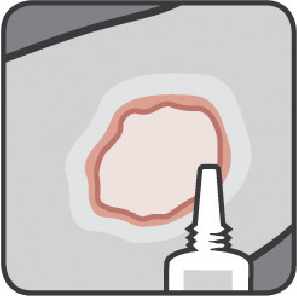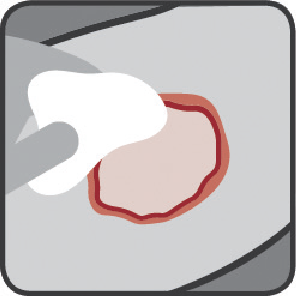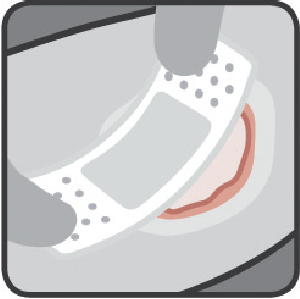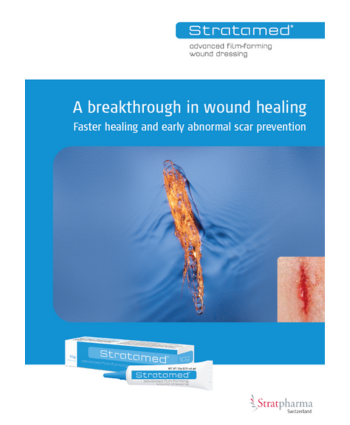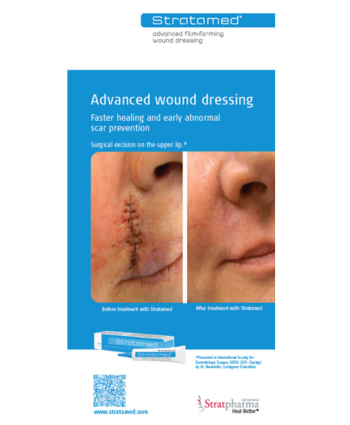









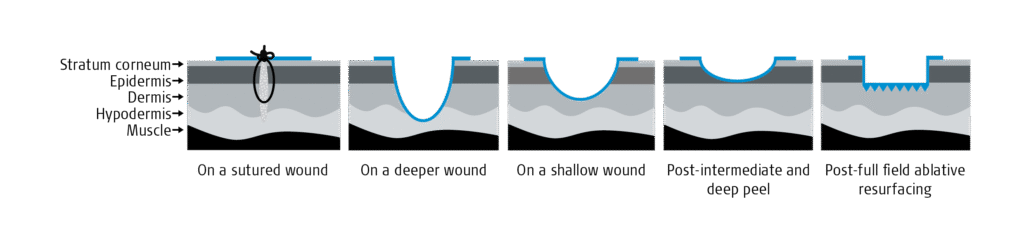
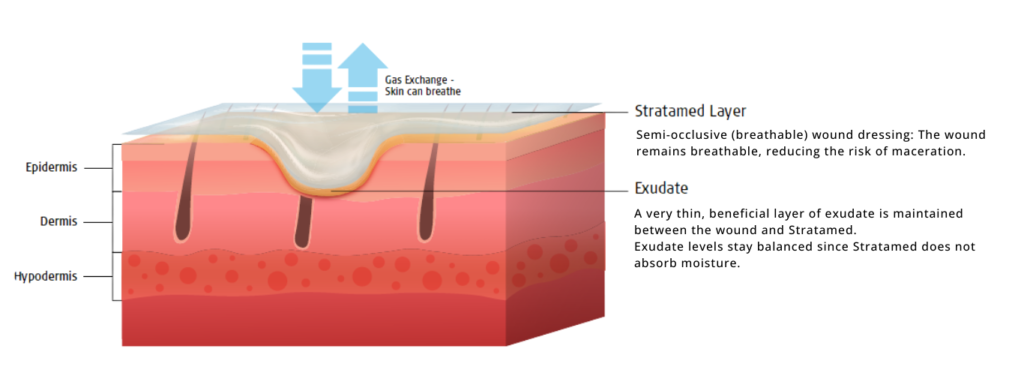
Stratamed adapts to all kinds of wound surfaces and forms a protective, flexible film over the wound

Why is Stratamed an innovative product?

Stratamed protects the compromised skin from microbial and chemical invasion, making it an alternative to topical antibiotics for wound protection against infections.3

FILM-FORMING, FLEXIBLE, FULL CONTACT

Stratamed is a flexible, full contact wound dressing that forms a thin film and ensures constant contact with the skin.

SYMPTOMATIC RELIEF

Stratamed provides symptomatic relief from itching, burning sensation and discomfort, reduces redness and discoloration.

FASTER WOUND HEALING AND REDUCED DOWNTIME

Stratamed promotes a moist healing environment, leading to faster healing and reduced downtime.

PROTECTION

Stratamed protects the compromised skin from chemical and microbial invasion, while reducing the risk for contact dermatitis.

ABNORMAL SCAR PREVENTION

Stratamed allows the prevention of abnormal scarring to begin immediately post-procedure (before suture removal).

SECONDARY DRESSINGS

Stratamed can be used with or without a secondary protective dressing, in combination with other wound care therapies and topical agents.

HYDRATION AND GAS PERMEABILITY

Stratamed is semi-occlusive, which allows the skin to breathe and remain hydrated.

HARD TO TREAT AREAS

Stratamed is inert, has no measurable pH, contains no alcohol, parabens or fragrances, making it suitable for children, people with sensitive skin, pregnant women and breastfeeding mothers.

NON-REACTIVE

Stratamed is suitable for exposed areas like the face and neck as well as joints and hairy areas without the need for shaving.

EASY TO USE

Stratamed is easy to apply without the need for removal before re-application and can be used by patients at home.

Stratamed intended use

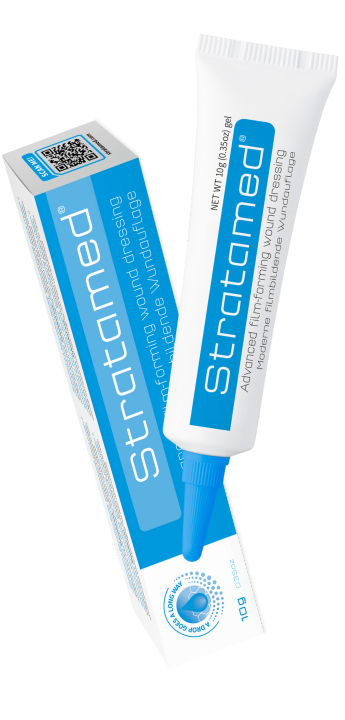
Stratamed is an advanced flexible, film-forming wound dressing for the use immediately following medical and aesthetic procedures, on acute or chronic wounds and compromised skin surfaces.

Stratamed has been developed with a special consistency to ensure it remains in full contact with the wound bed or damaged surface.

MEDICAL INDICATIONS / PROCEDURES

COSMETIC INDICATIONS/ PROCEDURES

How Stratamed works (Mode of Action):

Stratamed dries to form a thin, flexible wound dressing that ensures full constant contact with the skin.

Stratamed Mode of action

Faster Healing

Promotes a moist healing environment, leading to faster re-epithelialization and reduced downtime

Flexible Film

Self-drying, flexible wound dressing that adapts to all kinds of wound surfaces

Full Contact Dressing

Ensures full contact with the skin.

No removal needed — film naturally wears off

Transparent

Allowing to monitor
the healing progress

Protection & Relief

Shield against chemicals and microbial invasion and reduction of inflammatory response

From Day 1

Can be applied on open wounds and compromised skin (even before suture removal)

Stratamed allows the prevention of abnormal scarring to begin immediately after suturing or once a wound has occurred.

Stratamed Application

Ensure first that the affected skin or wound is clean and gently pat dry as much excess exudate or wound fluid from the area as possible prior to gel application.

On damaged or broken skin not requiring a secondary dressing:
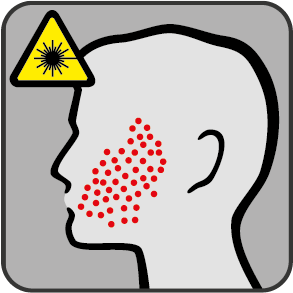
 
  • Apply a very thin layer of Stratamed to the affected area and allow the gel to dry.
  • When applied correctly to the affected areas, Stratamed should be dry in 5–6 minutes. If it takes longer to dry you have probably applied too much. Gently remove the excess with a clean tissue or gauze and allow the drying process to continue.
  • Stratamed should be applied once daily, or twice daily to exposed areas or as advised by the physician.
  • Once dry, Stratamed may be covered by sunscreen, cosmetics, pressure garments or casts.


On damaged skin or wounds requiring a secondary dressing:
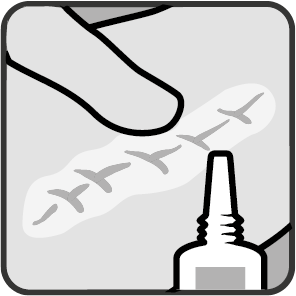


  • Stratamed should be re-applied when changing the dressing or checking the wound progress, or as advised by the physician.
  • Apply a thin layer of Stratamed then cover with the secondary dressing. Drying is not necessary.
On damaged skin or wounds requiring a secondary dressing:
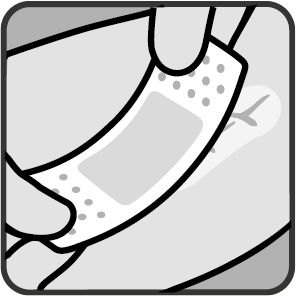


  • Stratamed should be re-applied when changing the dressing or checking the wound progress, or as advised by the physician.
  • Apply a thin layer of Stratamed then cover with the secondary dressing. Drying is not necessary.
>  Stratamed is recommended for immediate treatment post-procedure and should be continued until the skin has fully
recovered.

>  For resurfacing and ablative procedures, continued use is recommended for a minimum treatment of 30 days or until no further improvement is seen.

For best results

How much Stratamed do I need ?

Stratamed is an advanced formulation which requires substantially less product per application than typical moisturising creams or gels.

Stratamed 5g

Is enough to treat a 2-4 cm linear incision twice per day for over 90 days

Stratamed 10g

Is enough to treat a 5-8 cm linear incision twice per day for over 90 days

Stratamed 20g

Is enough to treat a 10-12 cm linear incision twice per day for over 90 days or an area of 6 x 12 cm twice per day for over 60 days

Stratamed 50g

Is enough to treat an area of 12 x 15 cm twice per day for over 60 days

Choosing the ideal wound care product

Flexible wound dressing:
Unlike physical dressings, the self-drying formulation of Stratamed adapts to all kinds of wound surfaces and forms a protective, flexible film over the wound.

Full contact barrier:
Stratamed maintains direct contact with the skin and can simply be reapplied without the need to be removed.

Downloadable Resources

Patient Information Leaflet

Brochure for HCPs

Brochure for patients